How to clean a pre-war apartment: techniques for radiators, moldings, and old-building grime
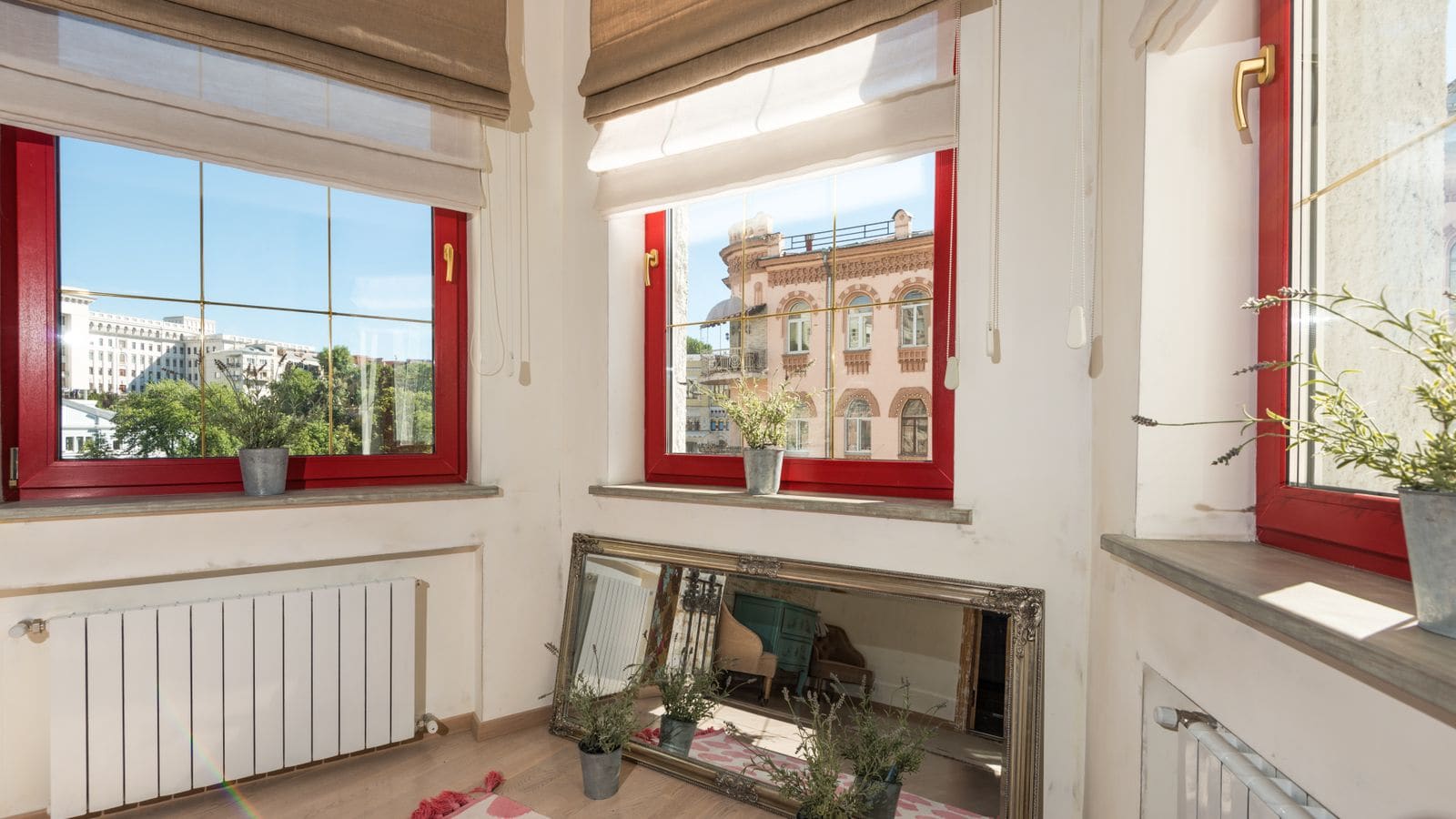
Roughly half of Manhattan's housing stock was built before World War II, and anyone who lives in it knows the trade: high ceilings, real moldings, and solid walls in exchange for dust that seems to regenerate overnight. That's not your imagination. Pre-war buildings produce and trap dirt differently than post-war construction, and cleaning them well requires different techniques — not just more effort.
Here's what two years of cleaning pre-war apartments across the Upper West Side, the Village, and Harlem has taught us, in enough detail that you can apply it yourself between professional cleans.
Radiators first: the engine of pre-war dust
Cast-iron radiators are the single biggest reason pre-war apartments feel dusty. Under New York's heat law they run from October 1 through May 31 — eight months a year of convection currents that pull dust through the fins, bake it on, and redistribute it around the room. Clean everything else and skip the radiator, and the room re-dusts itself within days. (Our season-by-season NYC guide covers what the rest of the calendar does to a Manhattan apartment.)
The technique: work top-down with a long radiator brush between every fin, then vacuum with a crevice tool — behind the unit too, where decades of felted dust collects against the wall. Do this at the start of the clean, not the end, so anything dislodged gets picked up by the rest of the pass. In summer, when radiators are cold, a damp microfiber wipe of each fin gets the baked-on layer that dry brushing won't.
Moldings, picture rails, and door frames
Pre-war trim is deep — crown moldings, picture rails, panel doors — and every horizontal ledge is a dust shelf. The mistake most people make is dry-dusting, which pushes dust off the ledge and into the air, where it resettles.
Use a barely-damp microfiber cloth folded to a fresh face per ledge, and work the room clockwise from the highest trim down. Painted trim in older buildings often carries decades of paint layers that scuff easily, so skip abrasive sponges — if a mark won't lift with a damp cloth and a drop of dish soap, it's probably in the paint, not on it.
There's a safety reason to stay gentle, too. Paint applied before 1978 can contain lead, and pre-war trim almost always carries those older layers under the newer coats. Damp cleaning is safe; sanding, dry-scraping, or scrubbing paint down to dust is not. Watch window sashes and sills especially — that's where friction wears paint through fastest. If trim paint is chipping or flaking, don't try to clean it back to fresh paint yourself: in a pre-1960 rental, peeling paint is the owner's responsibility to fix under NYC law, so flag it to your landlord or managing agent instead.
Plaster walls: dust that comes from inside the apartment
Pre-war walls are plaster over lath, not drywall, and plaster moves with the building. As it settles, hairline cracks open along ceiling lines and above door frames and shed a very fine white powder. Clients regularly point us at a shelf or a stretch of floor that 'gets dusty overnight' — if the dust is white and keeps reappearing in a line under the same spot, it's coming out of the wall, not out of the air. Cleaning cadence won't fix that; it's worth a patch next time the room is painted.
The walls themselves want a lighter touch than drywall. Flat and matte paint over plaster burnishes if you scrub it — you'll take the scuff off and leave a permanent shiny patch in its place. Dab marks with a barely-damp cloth and stop early, and keep melamine sponges ('magic erasers') away from matte plaster walls entirely; they're micro-abrasives, and every pass polishes the finish a little more.
Windows that face the avenue
City window grime isn't house dust — it's oily soot from traffic, and dry dusting just smears it around. Sills and frames on avenue-facing windows need a degreasing pass: warm water with a small amount of dish detergent, then a clean-water wipe, then dry. On single-pane pre-war windows, do the glass last so drips from the frame work don't streak a finished pane.
If your sills turn black within a week or two, that's normal for a bus route — it's a cadence problem, not a cleaning problem. A quick weekly sill wipe beats a monthly scrub.
Original hardwood: clean gentle, dry fast
Pre-war herringbone and strip oak often carries a finish that's older and thinner than anything in a modern building. Standing water is the enemy: it finds gaps between boards and swells the edges. Vacuum first (hard-floor head, never a beater bar), then damp-mop with a well-wrung flat mop and a pH-neutral cleaner — never vinegar, which dulls shellac and old polyurethane alike. The floor should be dry within a minute of the mop passing; if you can see standing moisture, the mop is too wet.
The cadence that keeps a pre-war apartment clean
Pre-war apartments reward rhythm over heroics: a weekly light pass on sills and open surfaces, a monthly proper clean including floors and bathrooms, and a deep clean with radiators, moldings, and window frames every season. That's the schedule we build for our recurring pre-war clients, and it's why their apartments stop feeling dusty between visits.
If your apartment hasn't had the deep baseline in a while, start there — you can see what that looks like in practice in our Upper West Side pre-war walk-up case study. And if the building is a co-op, our co-op cleaning guide covers the paperwork side before anyone touches a radiator.
Live in a pre-war? We know the buildings.
Radiators, moldings, and original floors are part of our standard deep clean — flat rates from $175. See the real thing in our Upper West Side pre-war case study.
Get your quote →